How to Turn Unsold Estimates Into Future Sales Opportunities
How to Turn Unsold Estimates Into Future Sales Opportunities
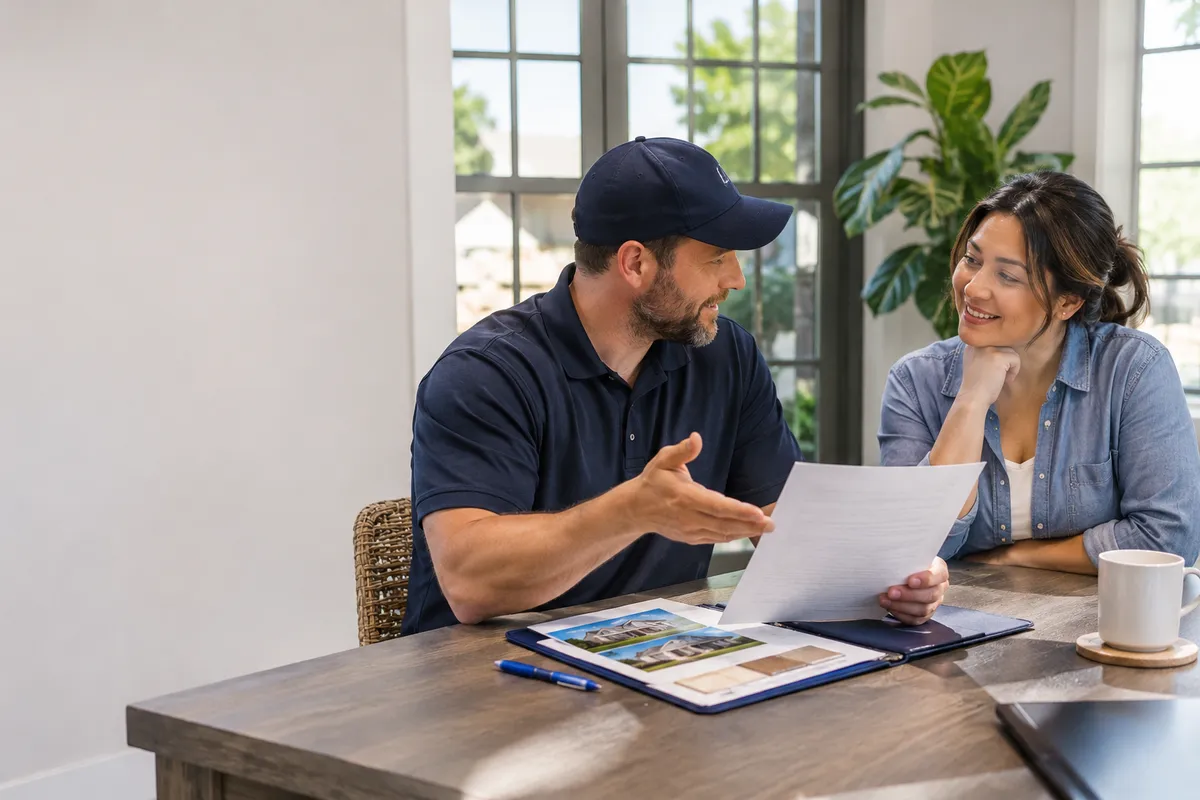
Not every homeowner who receives a contractor estimate is ready to move forward immediately. Some need more time to compare options, others are working within a budget, and many simply have competing priorities.
For contractors and home service businesses, an estimate that doesn't convert today doesn't necessarily mean a lost customer. With a thoughtful contractor estimate follow-up strategy, you can maintain visibility, build trust, and create future sales opportunities without making homeowners feel pressured.
The key is to move beyond the traditional "just checking in" message. Instead, provide helpful information, understand the homeowner's needs, and stay connected in a way that makes your business easy to remember when they're ready to move forward.
Here's how to build an unsold estimate marketing process that supports both immediate sales opportunities and long-term customer relationships.
Understand Why the Estimate Didn't Convert
Before deciding how to follow up, take a moment to understand why the homeowner hasn't accepted the estimate.
Not every unsold estimate represents the same situation.
A homeowner may be:
Comparing estimates from several contractors.
Waiting for a more convenient time to begin the project.
Reviewing financing options or adjusting their budget.
Discussing the project with a spouse or family member.
Unsure which service or solution best fits their needs.
Delaying the project because of other priorities.
These situations require different approaches.
For example, a homeowner who is waiting until spring to replace their roof may appreciate a seasonal reminder or helpful information about preparing for the project.
Someone comparing estimates may benefit from a clear explanation of your scope of work, materials, warranties, and what makes your approach different.
The first step is to listen, not sell.
Ask a simple question during your initial follow-up:
"Is there anything about the estimate or project that we can clarify for you?"
This gives the homeowner an opportunity to share concerns and helps your team determine the most appropriate next step.
Create a Consistent Estimate Follow-Up Process
One of the biggest challenges for contractors is maintaining consistent communication while managing crews, projects, scheduling, and daily operations.
Without a defined process, follow-up can become inconsistent. Some homeowners may receive several calls in a short period, while others may never hear from the company again.
A simple follow-up system helps your team stay organized and communicate with homeowners at appropriate intervals.
Consider a process like this:
Immediately after the estimate: Thank the homeowner for their time and confirm that they've received the proposal.
A few days later: Ask whether they have questions about the estimate or need clarification.
After the homeowner's stated decision timeline: Follow up with relevant information or a helpful check-in.
If the project is postponed: Record the expected timeframe and schedule a future reminder.
The exact timing should depend on the project, the homeowner's preferences, and your sales process.
The goal is to make follow-up feel natural and useful, not like a series of automated sales reminders.
Make Every Follow-Up Message Helpful
A homeowner who hasn't accepted an estimate may not need another reminder that the estimate is waiting.
They may need information that helps them make a decision.
Instead of sending the same generic message repeatedly, consider what would be most useful at each stage.
For example:
For a homeowner comparing estimates:
"Hi [Name], I wanted to follow up and see if you had any questions about the proposal. We're happy to walk through the scope of work, materials, or timeline so you have everything you need to make an informed decision."
For a homeowner postponing a project:
"Hi [Name], I remember you mentioned that you were considering the project for later in the year. I wanted to check in and see whether your plans have changed. If you'd like, we can help you review the timing and next steps."
For a homeowner who needs more information:
"Hi [Name], I wanted to share a little more information about the options we discussed. If it would be helpful, we can schedule a quick conversation to review the differences and answer any questions."
Each message creates an opportunity to continue the conversation without putting unnecessary pressure on the homeowner.
Stay Visible Without Constantly Asking for the Sale
Not every follow-up needs to be about the estimate.
When a homeowner isn't ready to move forward, maintaining a positive relationship can be just as important as the initial sales conversation.
This is where long-term nurture campaigns can help.
Instead of repeatedly asking whether the homeowner is ready to purchase, share information that remains useful even when the project is on hold.
Examples include:
Seasonal maintenance tips.
Advice about preparing for a future renovation.
Educational content about materials and project options.
Relevant updates about your services.
Helpful reminders based on the homeowner's original project.
A roofing contractor might send information about preparing a roof for winter. A remodeling company could share planning tips for a future kitchen renovation.
These touchpoints help keep your business familiar while demonstrating that you care about helping homeowners make informed decisions.
Building Raving Fans' long-term nurture email campaigns support this approach by helping businesses stay connected with prospects and customers through ongoing, relevant communication.
Use Customer Appreciation to Build Trust Before the Sale
Appreciation doesn't have to begin after a project is completed.
Homeowners have already invested time in speaking with your team, discussing their needs, and reviewing your estimate. A thoughtful experience during that process can help create a positive impression of your business.
Simple gestures can make a difference:
Thank homeowners for inviting you to provide an estimate.
Acknowledge the time they spent discussing the project.
Follow through on questions or information you promised to provide.
Respect their budget, timeline, and decision-making process.
Make it easy to reconnect when they're ready.
For larger or longer-term opportunities, a personalized note or appropriate appreciation gesture may help reinforce that positive experience.
The important part is that appreciation should be genuine, not conditional on whether the homeowner accepts the estimate.
Building Raving Fans' automated gifting and appreciation programs help businesses create thoughtful customer touchpoints while maintaining consistency across their relationships.
Turn a Positive Experience Into a Future Referral Opportunity
An unsold estimate doesn't always lead to a sale, but the interaction can still create value for your business.
A homeowner who appreciated your professionalism may remember your company when a friend or neighbor needs similar services.
This is especially important for contractors who serve specific neighborhoods or communities.
For example, a homeowner who receives an estimate for exterior painting may not be ready to proceed. However, they may still recommend your company to a neighbor who is looking for a painter.
The best way to encourage this possibility is to deliver a positive experience, communicate respectfully, and remain easy to contact.
You can also make it simple for homeowners to share your business information if someone asks for a recommendation.
The objective is not to turn every estimate into an immediate referral request. It's to create the kind of experience that makes homeowners comfortable recommending your company.
Use Reviews to Reinforce Your Reputation
When homeowners compare contractors, they often want to understand how other customers have experienced the business.
Your online reviews can help provide that perspective.
For contractors, reviews are especially valuable because they can demonstrate how the company communicates, handles challenges, and delivers on its promises.
If a homeowner has already completed a project with your business in the past, a positive experience may provide a natural opportunity to invite them to share feedback.
For new prospects who haven't purchased, focus on making your reputation easy to explore through your website and business profiles.
Building Raving Fans' Raving Fans Reviews platform and scan-to-review QR code cards help businesses make the review process more convenient for customers.
The goal is to build a collection of authentic customer feedback that helps future homeowners make informed decisions.
Know When to Follow Up and When to Give Space
A good follow-up strategy respects the homeowner's time and preferences.
If someone says they're not interested, asks you to stop contacting them, or indicates that the project is no longer relevant, respect that request.
If they ask you to reconnect in a few months, record that preference and follow up at the appropriate time.
You can also use your CRM to organize estimates by their status:
Ready for a decision.
Comparing options.
Waiting for a specific date.
Postponed indefinitely.
Not moving forward.
This helps your team avoid unnecessary outreach and focus on communication that makes sense for each homeowner.
The purpose of a follow-up system isn't to contact everyone more often. It's to make every interaction more relevant.
Measure the Value of Your Unsold Estimate Follow-Up
To understand whether your follow-up process is working, track the opportunities it creates over time.
Useful metrics include:
The number of unsold estimates receiving follow-up.
The number of homeowners who respond.
Estimates that convert after follow-up.
The time between the initial estimate and the eventual sale.
The number of referrals generated through previous estimate relationships.
You can also review why estimates didn't convert and look for patterns.
For example, if many homeowners postpone projects until a particular season, you may be able to create a more useful seasonal nurture strategy.
If homeowners frequently ask similar questions about your estimates, your team may benefit from improving the information provided during the initial sales conversation.
The goal is to learn from the process and make it more helpful for both your team and your customers.
Turn Unsold Estimates Into Lasting Relationships
Not every homeowner is ready to purchase when you first provide an estimate. But every estimate gives your business an opportunity to demonstrate professionalism, build trust, and create a positive experience.
With a consistent follow-up process, helpful communication, and thoughtful appreciation, contractors can maintain visibility without making homeowners feel pressured.
And when the time is right, your business will already be familiar.
Building Raving Fans helps contractors and home service businesses create relationship marketing systems that support ongoing communication, customer appreciation, reviews, and future opportunities.
Ready to build a more consistent follow-up strategy for your business?
Explore Building Raving Fans' relationship marketing services and discover how long-term nurture campaigns, appreciation programs, and review systems can help your business stay connected with the people who matter most.
Book a strategy call with Building Raving Fans to discuss how your team can turn more unsold estimates into future sales opportunities.


